
By 2024, all countries exported USD 83.9 billion worth of fertilizer. This dollar amount is due to an average increase in fertilizer revenue from all fertilizer exports over the five-year period starting in 2020, when the total fertilizer exports were $55.6 billion. From 2023 to 2024, the value of exported fertilizers fell by -8.9% from US$92.1 billion.
The six largest fertilizer exporters in 2024 are Russia, Mainland China, Canada, Morocco, the United States, and then Saudi Arabia. Overall, these major suppliers account for more than half of global fertilizer exports (53.2%) in 2024, slightly lower than 53.3% in 2023.
Applying a continental lens, countries in Europe sold the highest dollar worth of exported fertilizers during 2024 with shipments valued at $30.6 billion or 36.4% of the world’s total. In second place were exporters located in Asia at 33.3% while 14.5% of international fertilizer shipments originated from North America. Another 13.1% was sent from exporters in Africa. Smaller percentages came from suppliers in Latin America (2.2%) excluding Mexico but including the Caribbean notably Trinidad and Tobago, then Oceania (0.4%) mostly Australia.
Focusing on different types of exported fertilizers, three-quarters (75.3%) were nitrogen-based products. Potassic fertilizers represent 19.7% compared to phosphatic fertilizers at 3.5%. Excluding those mineral or chemical fertilizer subcategories, the other fertilizer type is animal or vegetable fertilizers which accounted for the remaining 1.5%.
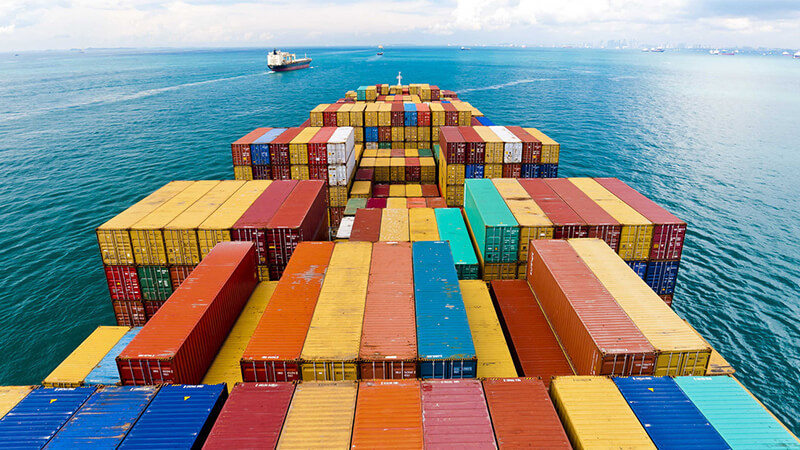
Here are the 30 countries and regions with the highest value of fertilizer exports in 2024.
Russia: US$13.9 billion (16.6% of total fertilizer exports)
China: US$8.5 billion (10.1%)
Canada: US$6.7 billion (8%)
Morocco: USD 5.4 billion (6.4%)
United States: US$5.2 billion (6.2%)
Saudi Arabia: USD 5 billion (5.9%)
Belgium: USD 2.9 billion (3.4%)
Oman: USD 2.7 billion (3.2%)
Egypt: USD 2.43 billion (2.9%)
Netherlands: USD 2.41 billion (2.9%)
Qatar: USD 1.56 billion (1.9%)
Spain: USD 1.55 billion (1.9%)
Israel: USD 1.51 billion (1.8%)
Germany: USD 1.4 billion (1.6%)
Belarus: USD 1.16 billion (1.4%)
Poland: USD 1.12 billion (1.3%)
Jordan: USD 1.11 billion (1.3%)
Algeria: USD 1 billion (1.2%)
Nigeria: USD 914.5 million (1.1%)
Laos: US$840.1 million (1%)
United Arab Emirates: US$831.7 million (1%)
Malaysia: USD 825 million (1%)
Lithuania: USD 737 million (0.9%)
Italy: US$696.5 million (0.8%)
Vietnam: US$655.1 million (0.8%)
Finland: US$641.4 million (0.8%)
Indonesia: USD 552.8 million (0.7%)
Türkiye: USD 538.7 million (0.6%)
France: US$504.1 million (0.6%)
Chile: USD 504 million (0.6%)
By value, by 2024, the 30 countries listed will export fertilizers to 87.8% of global exports.
Among the top exporters, the fastest-growing exporters of fertilizers since 2023 were: United Arab Emirates (up 2,361%), Oman (up 129.9%), Vietnam (up 6.2%) and Italy (up 6.1%).
Those countries that posted declines in their international sales of fertilizers were led by: Belarus (down -43.8% from 2023), Canada (down -30.1%), Algeria (down -23.9%), Jordan (down -23.4%) and Israel (down -22.3%).
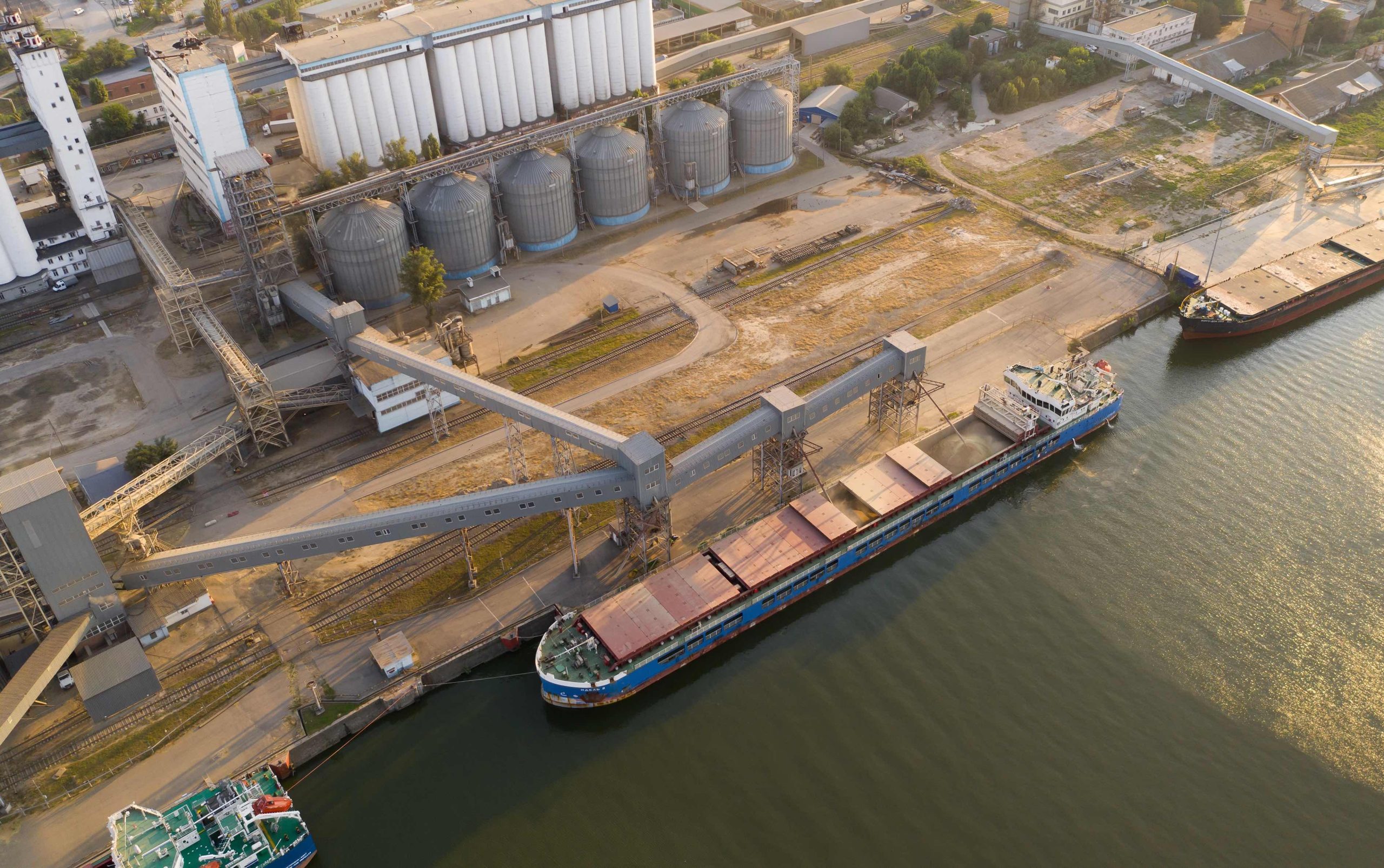
Key Trends in Global Fertilizer Exports
- Increased Demand in Emerging Markets: Countries in Asia, Africa, and South America are seeing rapid agricultural growth, which has fueled a steady demand for fertilizers. As these regions expand their agricultural production, the demand for high-quality fertilizers has grown, making them crucial markets for fertilizer exporters.
- Diversification of Fertilizer Products: Fertilizer exporters are diversifying their product portfolios to meet the evolving needs of modern agriculture. Beyond traditional nitrogen, phosphate, and potash-based fertilizers, companies are investing in advanced fertilizer products such as micronutrient blends and slow-release fertilizers to enhance efficiency and sustainability.
- Environmental and Regulatory Pressures: The fertilizer exporter industry is facing increasing pressure to adopt more sustainable practices. The global push for reducing the environmental impact of agricultural activities has prompted companies to focus on eco-friendly fertilizer production, including reducing the carbon footprint of fertilizer production processes.