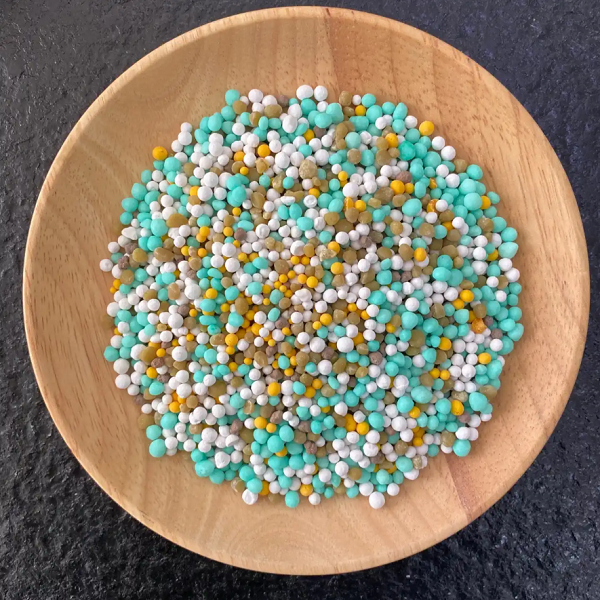
To improve handling, prevent clumping, and control the release of nutrients, manufacturers apply specialized coatings on raw fertilizer granules. Today, the two primary methods used are Liquid Coating and Powder Coating.
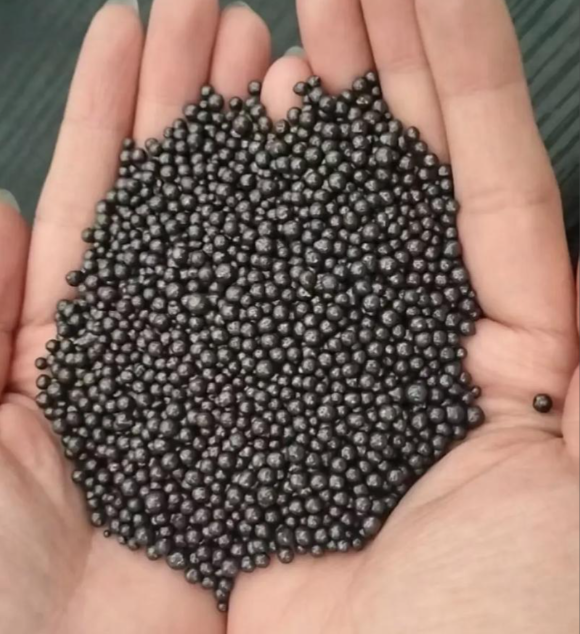
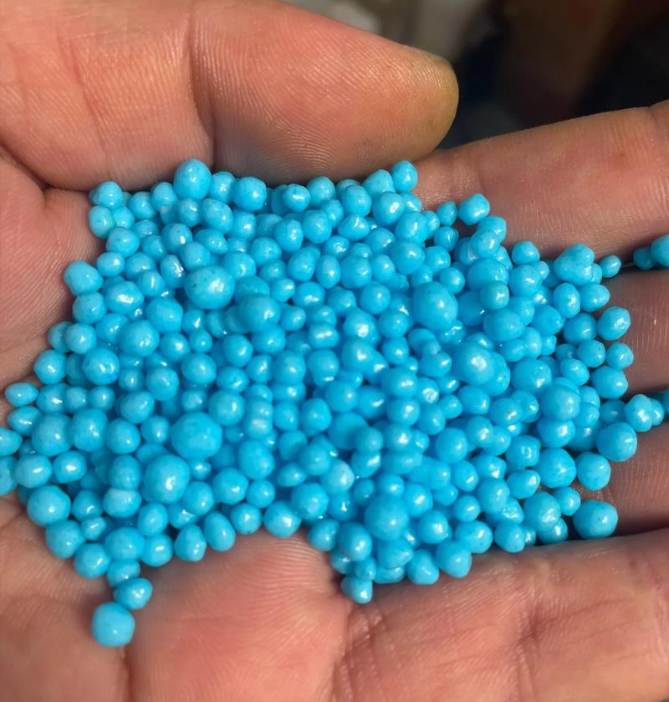
Liquid Coating (The Industry Standard)
Liquid coating involves spraying a fluid—typically oil-based, aqueous, or polymer-based—onto fertilizer granules as they tumble in a rotating drum. The liquid is atomized through nozzles, creating a thin, uniform film that envelops each grain.
Primary Purpose:
Anti-Caking: Preventing the granules from absorbing moisture and sticking together during storage.
Dust Suppression: Binding small particles to the granule to prevent hazardous dust during transport.
Micro-nutrient Delivery: Dissolving essential minerals (like Zinc or Boron) into the liquid for even distribution.
Powder Coating (The Enhancement Layer)
Powder coating (or “dusting”) involves applying fine dry particles to the surface of the fertilizer granule. In many cases, a small amount of liquid “binder” is used first to help the powder adhere. The granules are “tumbled” with powders such as talc, clay, diatomaceous earth, or specialized chemical powders.
Primary Purpose:
Physical Barrier: Providing a dry, non-stick outer shell that is superior to oil for high-humidity environments.
Slow Release: Using sulfur or specialized minerals to create a shell that slows down how fast the fertilizer dissolves in the soil.
Coloring: Adding a distinct brand color or “marking” to the product.
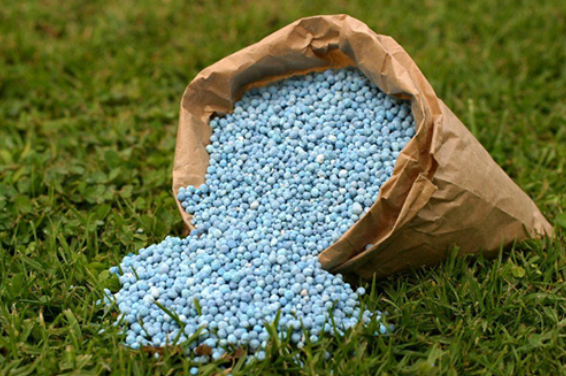
Key Differences
| Feature | Liquid Coating | Powder Coating |
| Uniformity | Excellent; creates a consistent, microscopic film. | Variable; can be uneven depending on the binder used. |
| Nutrient Release | Generally faster; focuses on protection during transport. | Often used for Controlled Release Fertilizers (CRF). |
| Cost | Generally lower; easier to integrate into high-speed lines. | Higher; requires more complex handling of dry solids. |
| Environmental | Can involve oils that some regions are regulating. | Often uses natural minerals (clay/sulfur) which are eco-friendly. |
| Handling | Reduces dust significantly. | Can sometimes create “fines” (dust) if the powder doesn’t stick well. |
The Hybrid Approach: Multi-Stage Coating
In 2026, the trend in high-end “Smart Fertilizers” is a hybrid application.
A liquid polymer is first applied to create a base seal.
A powdered micro-nutrient or a secondary sulfur layer is then applied to the “tacky” surface.
A final liquid wax seal is added to ensure the product is smooth and dust-free.
This “sandwich” method allows for Enhanced Efficiency Fertilizers (EEF), which can stay in the soil for 60 to 120 days, releasing nitrogen only when the plant needs it.
Why Does it Matter for the Farmer?
The choice between liquid and powder coating directly affects the farmer’s bottom line:
Flowability: Well-coated fertilizer flows perfectly through modern GPS-guided air seeders without clogging.
Efficiency: Coated fertilizers reduce “leaching” (nutrients washing away into groundwater), ensuring more of the investment reaches the crop’s roots.
Storage: Powder-coated fertilizers generally have a longer shelf life in humid climates (like Southeast Asia or the US Gulf Coast).
Summary
While liquid coating is the go-to for standard bulk fertilizers, powder coating (and polymer-powder hybrids) is the technology driving the “Green Revolution” of precision, slow-release nutrition.