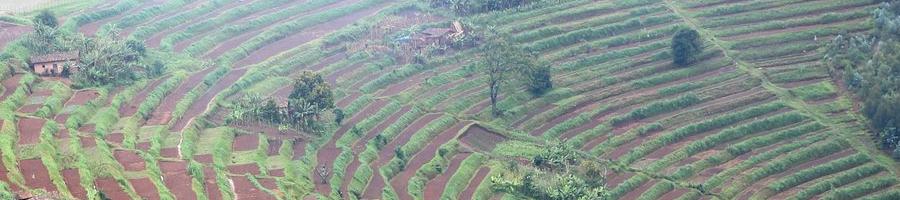
Agricultural development in Africa holds immense potential, with over 60% of the world’s uncultivated arable land, yet the continent remains a net food importer. Key focus areas include transforming smallholder farming through technology, improving infrastructure, boosting investment, and adopting climate-smart practices to enhance food security and sustainability.
Key Aspects of Agricultural Development:
Potential & Challenges: Africa has massive underutilized agricultural potential, but faces low productivity due to reliance on rain-fed systems, limited access to credit, and poor infrastructure.
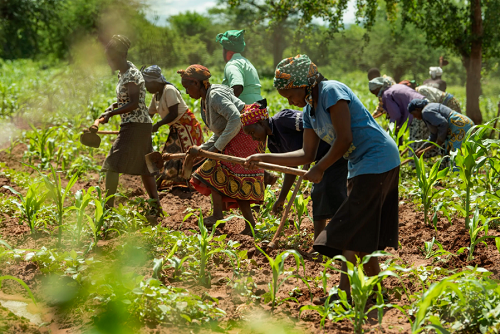
Smallholder Focus: Smallholder farmers produce up to 70% of the food supply, making their support critical for increasing food production and reducing poverty.
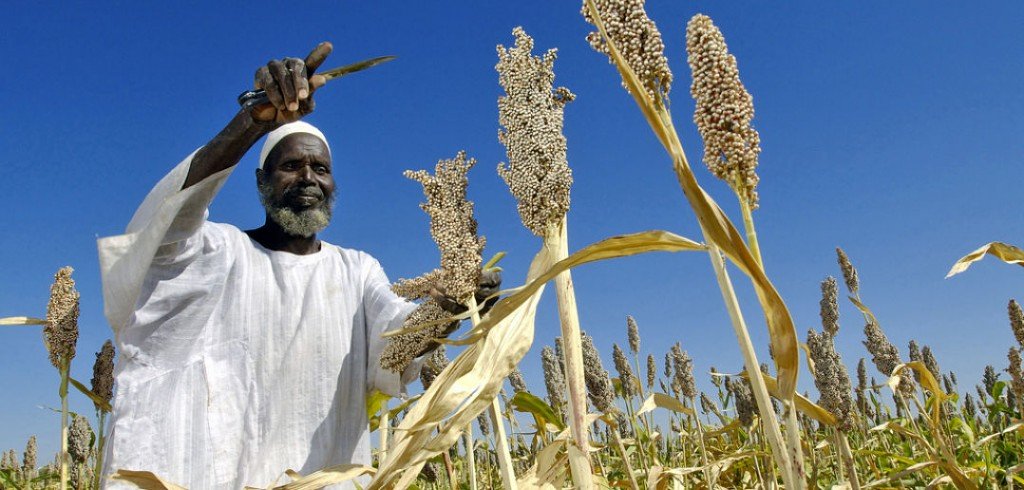
Sustainability & Technology: Shifting towards sustainable intensification, such as agroforestry and using drought-resistant crops (sorghum, millet, cassava), is essential to combat climate change impacts.
Investment & Policy: Initiatives like the Comprehensive African Agricultural Development Programme (CAADP) aim to improve agricultural growth by promoting increased national budget allocation (10%) and fostering public-private partnerships.
Trade & Value Addition: The African Continental Free Trade Area (AfCFTA) and increased local processing of raw agricultural products are key to improving food security and increasing revenue.
Major Agricultural Players & Regions:
Zambia: Known for its potential to become a regional breadbasket due to abundant water and land.
West Africa (Côte d’Ivoire, Ghana, Nigeria, Cameroon): Leading in cocoa production.
East Africa (Kenya, Tanzania, Uganda, Ethiopia, Malawi, Zimbabwe): Key producers of tea and coffee.
Key Strategies for Growth:
Investment in Infrastructure: Improving irrigation and rural infrastructure to reduce post-harvest losses.
Adoption of Technology: Utilizing digital solutions and modern inputs to improve yields.
Diversification: Moving beyond traditional exports to diversify food crops for domestic consumption.