
When turning fine powders into solid, manageable pellets, choosing the right granulation equipment is critical.
Two common types of granulators: the Double Roller Granulator (Roller Compactor) and the Disc Granulator (Pan Granulator). While both create uniform granules, they rely on completely different scientific principles: dry compaction versus wet agglomeration.
Here is a simple breakdown of how both machines work, how they compare, and which fits your production needs.
Double Roller Granulator vs. Disc Granulator
| Feature | Double Roller Granulator | Disc Granulator |
| Granulation Principle | Mechanical compaction | Wet agglomeration / rolling |
| Moisture Required | Low (even < 5%) | Moderate to High (20%-30%) |
| Drying Step Needed? | No drying needed or Small-scale drying | Requires rotary dryer |
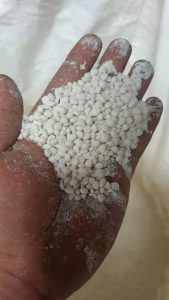
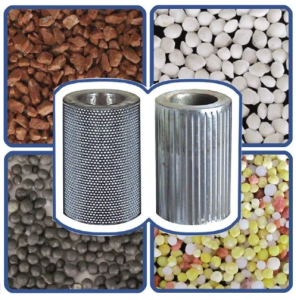
| Granule Shape | Irregular / Pill-shaped | Smooth & Highly Spherical |
| Energy Consumption | Low (saves thermal fuel) | Higher (drying required) |
| Granule Strength | High initial density | Strong after proper drying |
| Best Applications | Heat- or moisture-sensitive chemicals, NPK | Organic fertilizers, manure, clay |
Pros & Cons
Double Roller Granulator
Pros
Lower Energy Costs: Because no liquid is added, you bypass expensive drying systems (like gas-fired rotary dryers) and save substantial fuel.
Protects Sensitive Materials: Ideal for heat-sensitive or water-soluble materials like ammonium sulfate or potassium chloride that degrade with moisture.
Smaller Plant Footprint: Requires fewer secondary machines (no drying or cooling required).
Cons
Granules are less spherical compared to disc-made pellets.
High mechanical friction leads to wear on roller surfaces over time.
Disc Granulator
Pros
High Granulation Rate: Granulation efficiency often exceeds 90-95%, leaving very little ungranulated powder behind.
Premium Market Appearance: Produces perfectly round pellets preferred in commercial retail markets (e.g., packaged lawn fertilizers).
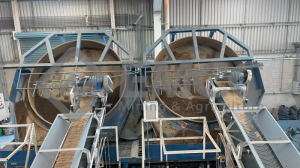
Visual Operation: The open-pan design lets operators monitor pellet growth and adjust water spray rates in real time.
Cons
Higher Operating Costs: Wet pellets require dedicated drying and cooling equipment downstream, increasing electricity and fuel consumption.
Requires Water Management: Needs a steady, well-regulated liquid binder supply to maintain consistent pellet size.
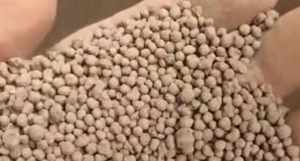
Summary: Which Granulator Should You Choose?
Choose a Double Roller Granulator if:
You want to eliminate drying equipment and lower long-term energy bills.
Your raw materials degrade when exposed to water or heat.
You are processing inorganic fertilizers, chemical salts, or dry compounds.
Choose a Disc Granulator if:
You process organic materials (like compost or poultry manure).
A perfectly smooth, spherical granule shape is essential for your end product.
Your facility already has drying and cooling infrastructure in place.