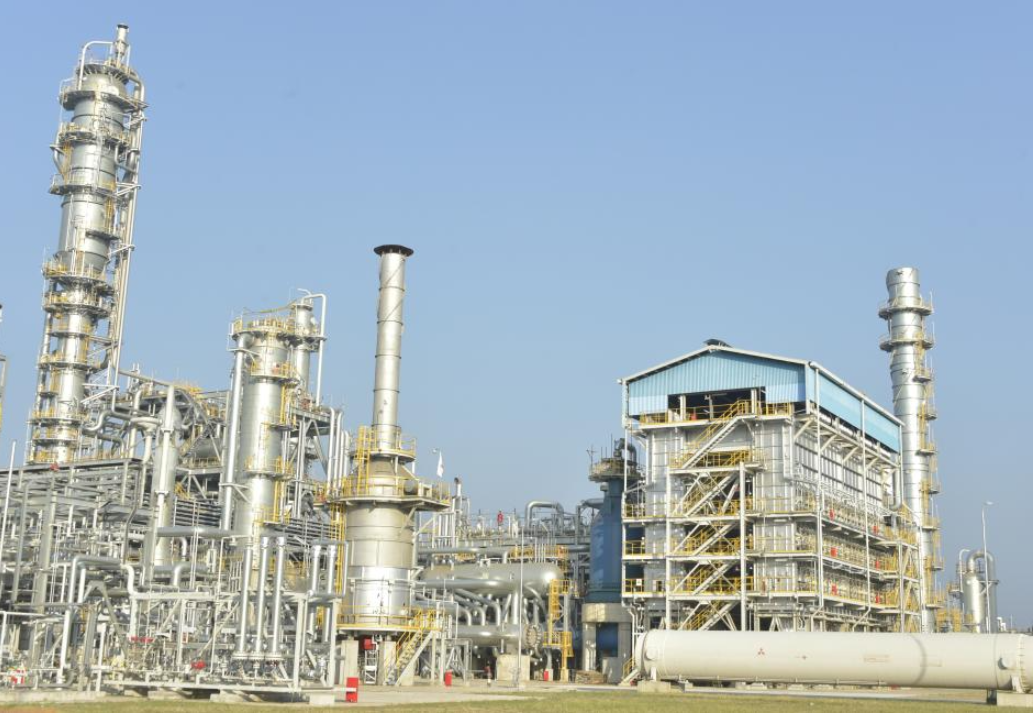
Asia accounts for over 50% of global fertilizer consumption. While traditional markets like China and India are focusing on “efficiency over volume,” emerging economies in Southeast Asia and Central Asia are seeing a surge in new production capacity.
Dominant Players: China, India, Indonesia, Vietnam, and Saudi Arabia (as a key nitrogen/phosphate exporter to the region).
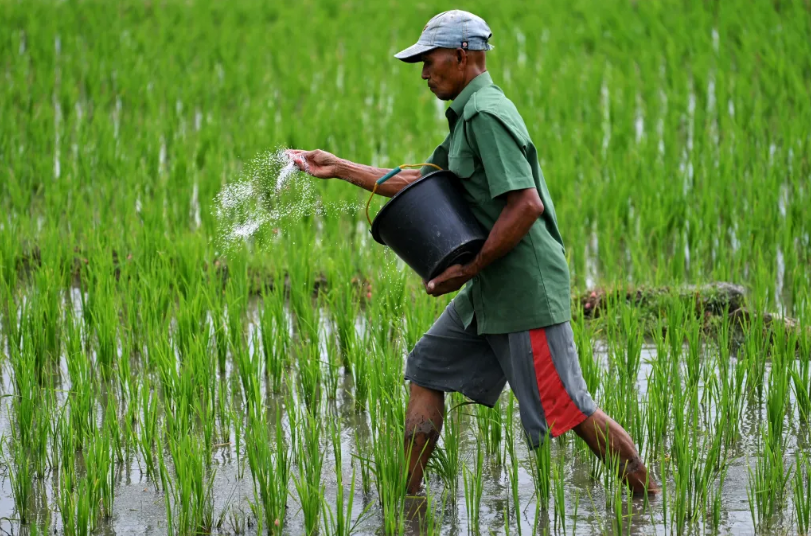
Regional Highlights & Strategies
1. China: The “Zero-Growth” & High-Tech Era
China has successfully transitioned from a volume-based market to a value-based one.
Massive investment in Controlled-Release Fertilizers (CRF) and Water-Soluble Fertilizers (WSF) to support the country’s aging rural workforce through automated fertigation.
2. India: The Push for Self-Sufficiency
India is aggressively reducing its dependence on urea imports.
India is the global leader in commercializing Nano-Urea, which significantly reduces the bulk transport requirements and environmental leaching. New coal-gasification-to-urea plants have come online in 2025-2026 to stabilize domestic supply.
3. Southeast Asia: The Organic-Mineral Shift
Large-scale rice and fruit exporters are moving toward Organic-Mineral Compound Fertilizers to meet strict export standards (MRLs) set by the EU and USA.
Growth in palm oil-specific fertilizers and a focus on upgrading production facilities for high-quality NPKs.
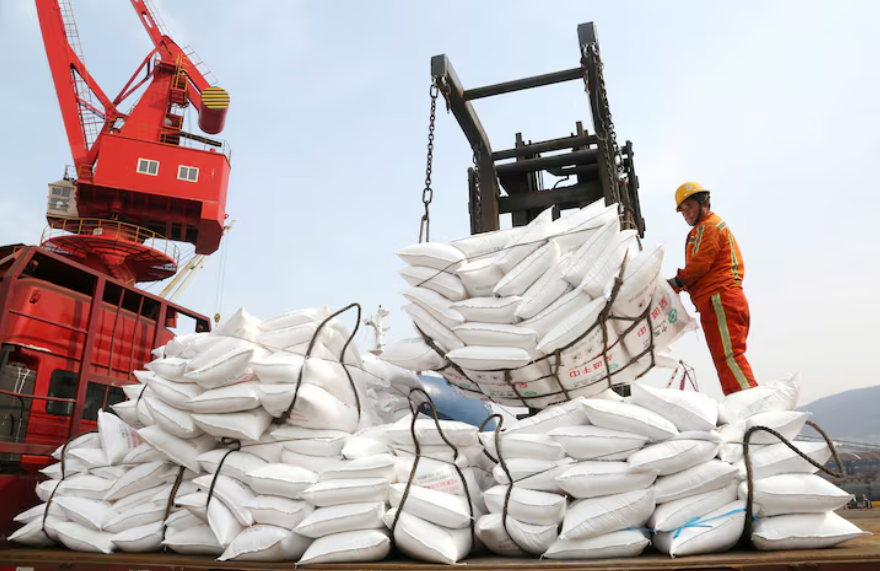
Key Technological Trends (2026)
| Technology | Impact on Asia |
| Coal-to-Ammonia | Vital in China and India for utilizing domestic coal reserves via gasification. |
| Drone-Ready Granules | Fertilizer granules are now being engineered for uniformity and hardness to be compatible with agricultural drone spreading. |
| Liquid Fertigation | Rapidly growing in modern greenhouses across Malaysia, South Korea, and Japan. |
| Bio-Stimulants | Integration of seaweed extracts and amino acids into traditional NPK granules. |
Strategic Challenges
Natural Gas Volatility: Central Asian producers (Uzbekistan, Turkmenistan) have an advantage due to low-cost gas, creating stiff competition for coastal producers.
Logistics: In regions like the Philippines and Indonesia, the “archipelago challenge” makes the cost of transporting bulk fertilizer high, favoring the development of smaller, localized blending and granulation plants.
Conclusion
The Asian fertilizer market in 2026 is no longer a “commodity” market but a “precision” market.